
Acne is one of the most common skin concerns, affecting people of different ages and skin types. From occasional breakouts to persistent acne and stubborn acne marks, these concerns can affect both your skin and your confidence. Understanding the causes of acne and following the right skincare routine can help you achieve healthier, clearer-looking skin.
Acne can develop due to excess oil production, clogged pores, bacteria, hormonal changes, stress, lifestyle factors, and certain skincare or cosmetic products. While mild acne may improve with a consistent skincare routine, persistent or severe breakouts may require professional assessment and treatment.
Clearer skin starts with understanding your skin. With the right treatment, gentle skincare, and professional guidance, acne and acne marks can be managed safely and effectively.
Acne marks can remain even after active breakouts have healed. Dark spots, redness, and uneven skin texture may take time to fade. Avoiding the habit of squeezing or picking pimples is important, as it can increase inflammation and may lead to long-lasting marks or scars.
Understanding the Causes of Acne
Acne occurs when hair follicles become clogged with oil and dead skin cells. Hormonal fluctuations can increase oil production, while bacteria and inflammation may contribute to breakouts. Other factors such as stress, lack of sleep, unsuitable skincare products, and certain lifestyle habits may also influence acne-prone skin.
- Excess oil production and clogged pores can contribute to frequent breakouts.
- Hormonal changes may trigger or worsen acne in many individuals.
- Avoid picking or squeezing pimples to reduce the risk of marks and scarring.
- Use gentle, non-comedogenic skincare products suitable for acne-prone skin.
- Consistent skincare and professional treatment can help improve skin appearance.
Effective Treatments for Acne & Acne Marks
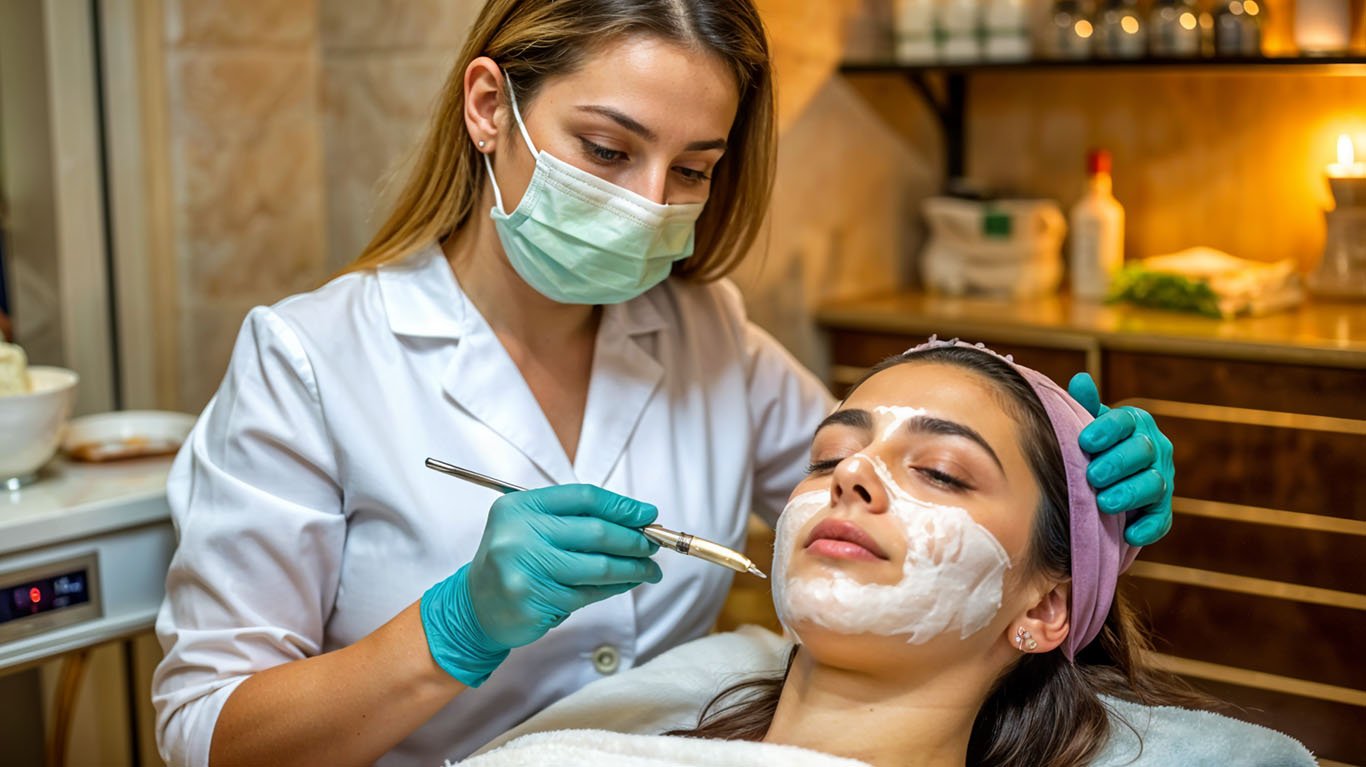
Treatment depends on the type, severity, and cause of acne as well as the condition of the skin. Depending on your individual needs, a skincare professional may recommend suitable topical treatments, professional facials, chemical peels, acne-focused procedures, or other advanced skin treatments. Acne marks may also be treated with procedures designed to improve pigmentation and overall skin texture.
The goal is not only to reduce active breakouts but also to support healthier-looking skin and minimize the appearance of post-acne marks. A personalized treatment plan can help ensure that your skin receives the right care without unnecessary irritation.
Simple Skin Care Tips for Acne-Prone Skin
A consistent daily skincare routine plays an important role in managing acne-prone skin. Cleanse your face gently, avoid harsh scrubbing, keep your skin hydrated, and use sunscreen regularly. Choose products that are lightweight and non-comedogenic, and avoid frequently changing your skincare routine.
If acne is persistent, painful, worsening, or leaving noticeable marks and scars, professional consultation is recommended. The right diagnosis and personalized treatment can help you manage breakouts and work toward clearer, healthier-looking skin.